Source Reefer Container Generator for Shipping, Storage, and Transport
Compare 30 reefer container generator options from verified Chinese suppliers. Buyers can evaluate AC three-phase models with varying power ratings, cooling methods, and delivery terms for maritime and land applications; compare the available evidence and request quotations based on your requirements.
Key considerations
Products List
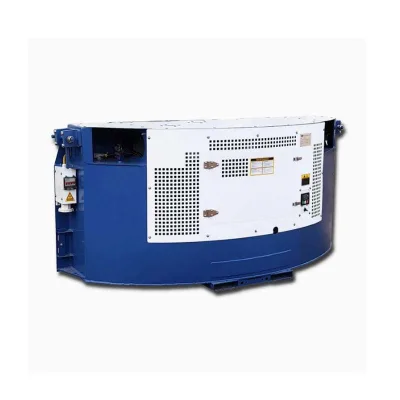
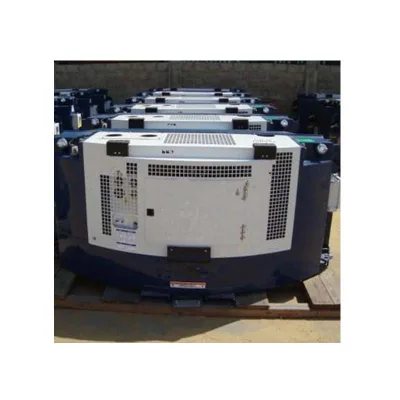
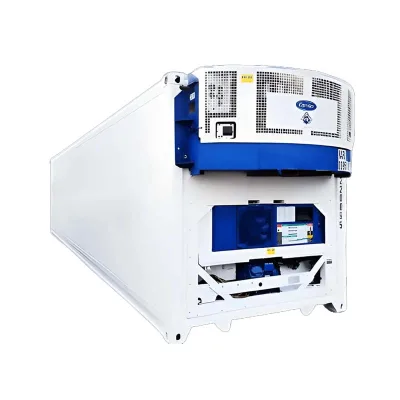


Comprehensive Sourcing Guide
Reefer Container Generator Sourcing Guide
Procuring a reefer container generator requires distinguishing between standard power units and specialized cooling systems designed for temperature-controlled logistics. The observed market data indicates a diverse range of configurations, including AC three-phase outputs and specific rated powers such as 20 kVA, which are critical for maintaining consistent refrigeration loads during transit. Buyers must carefully evaluate whether the unit is intended for land use or mobile applications, as the observed listings include both fixed installation models and portable units with varying cooling methods like indirect or water cooling.
The sourcing landscape reveals significant variation in product origins, with manufacturers located in Qingdao, Shandong, and Quanzhou, Fujian, among other Chinese provinces. This geographic diversity impacts logistics planning, as departure ports range from Shanghai and Qingdao to Guangzhou and Shenzhen, serving destinations across the Americas, Europe, and Asia. Understanding these supply chain nodes is essential for calculating total landed costs and ensuring that the selected generator aligns with the specific shipping routes and destination requirements of your logistics operation.
Product Scope and Observed Listing Signals
Buyers should first verify the physical dimensions and model specifications to ensure compatibility with their container infrastructure. The available data highlights specific model identifiers such as 40HC, 20RF, and generic generator models, alongside standard dimensions like 1.51.54.5m or 1555x1424x815mm. These measurements are not merely descriptive but define the spatial constraints for installation, requiring procurement teams to confirm that the unit fits within the designated container footprint without obstructing other cargo or ventilation systems.
Commercial signals in the market also indicate a high degree of customization availability, with options ranging from standard packaging to wooden cases or naked shrinkable film. The observed price range is exceptionally broad, spanning from 415 USD to 1,000,000 USD, which suggests that the market includes everything from small auxiliary units to large-scale prime power solutions. This variance necessitates a clear definition of the required capacity and power output before engaging with suppliers, as the listed price often correlates directly with the rated power, engine type, and the extent of customization requested.
Technical Specifications to Verify
Technical due diligence must focus on the electrical output and engine performance characteristics to prevent operational failures in cold chain environments. Key attributes to validate include the phase configuration, which can be single, 1p, or 3p, and the rated power, with observed examples ranging from 15 kW/18 kVA to 20 kVA. Buyers must ensure the generator's frequency and voltage, such as 460V or 50Hz/60Hz options, match the specific requirements of the refrigeration units they intend to power, as mismatches can lead to equipment damage or inefficient cooling performance.
The cooling method and engine stroke are equally critical technical parameters that influence long-term reliability and maintenance schedules. The market offers units with indirect cooling, water cooling, and four-stroke engines, often paired with specific excitation modes like AC rotating exciters. Additionally, the speed of the unit, noted as HSS or standard speed, and the installation method, whether fixed or otherwise, must be aligned with the operational environment. Verifying these specifications ensures the generator can sustain the thermal load of a reefer container under varying ambient conditions without overheating or stalling.
Compliance and Safety Documentation
While specific certification statuses like CE are noted in background data, buyers must explicitly request and verify current compliance documentation for the specific unit being purchased. Safety standards for generators used in reefer containers often involve complex interactions between electrical systems and refrigeration cycles, requiring proof that the unit meets international safety norms for both the engine and the electrical output. Procurement teams should demand test reports and safety certificates that are valid for the specific model and origin, rather than relying on general manufacturer claims.
Documentation regarding the product standard and origin is also vital for customs clearance and regulatory adherence in destination countries. The observed listings mention standards such as "customized" or specific dimensions, but these must be cross-referenced with the actual delivery documents to ensure they match the physical goods. Buyers should verify that the product origin, whether from Qingdao, Shandong, or Guangdong, is accurately declared on all shipping and compliance papers to avoid delays at ports of entry in regions like the United States, Europe, or Southeast Asia.
Cost Drivers and Commercial Terms
The total cost of ownership is heavily influenced by the shipment type and delivery terms, which vary significantly across the observed listings. Buyers encounter options for FCL (Full Container Load) and LCL (Less than Container Load) shipments, with delivery terms ranging from DDP (Delivered Duty Paid) to other Incoterms. Understanding these commercial terms is essential for budgeting, as DDP terms shift the responsibility for duties and taxes to the supplier, whereas other terms require the buyer to manage customs clearance and local logistics costs at the destination.
Lead times and minimum order quantities (MOQ) are additional cost drivers that affect procurement planning and cash flow. The observed MOQ range is between 1 and 8 units, suggesting flexibility for small-scale pilots or larger fleet deployments. However, the delivery lead time is not explicitly defined in the provided facts, requiring buyers to negotiate specific timelines based on the customization level and production capacity of the supplier. Early engagement on these terms helps prevent unexpected delays that could disrupt the cold chain logistics schedule.
Supplier Qualification and Quality Control
Supplier qualification should prioritize manufacturers with a proven track record in producing specialized power units for the logistics sector. The observed data lists origins in major industrial hubs like Quanzhou, Fujian, and Qingdao, which are known for manufacturing capabilities. Buyers should verify the supplier's ability to handle customization requests, as the market data indicates that customization is available for models like the Pdg or RG15. This capability is crucial for adapting the generator to unique container configurations or specific power requirements.
Quality control processes must be rigorously defined before production begins, focusing on the condition of the unit and the integrity of the packaging. The listings mention "New" condition and various packing methods, including standard packages and wooden cases, which protect the unit during transit. Buyers should implement pre-shipment inspections to confirm that the engine, controller, and electrical components meet the specified performance criteria. Ensuring that the unit is in new condition and properly packed minimizes the risk of damage and ensures immediate operational readiness upon arrival.
Long-Term Procurement Checks
Sustainable procurement requires establishing a framework for ongoing performance monitoring and maintenance support. Buyers should verify the availability of spare parts and the technical support infrastructure provided by the supplier, particularly for units with specific controllers like Epmaster or engines from brands like Yanmar or Perkins. Long-term reliability depends on the ability to quickly source replacements and receive expert guidance for troubleshooting, which is essential for maintaining the integrity of temperature-sensitive cargo over extended periods.
Finally, buyers must plan for the end-of-life management and potential upgrades of the generator fleet. As technology evolves, the compatibility of older units with new refrigeration systems or regulatory changes must be assessed. Establishing a relationship with a supplier who offers upgrade paths or retrofitting services ensures that the procurement investment remains viable over time. Regular reviews of the supplier's performance and the unit's operational data will help identify trends and opportunities for optimizing the cold chain power supply strategy.
FAQs
What is the rated power of the reefer container generator?
The rated power is 20KvA for specific models. Other units may offer 15kw or 18kVA options. These generators support AC three-phase output and are designed for new condition use in various applications.
Can I customize the reefer container generator specifications?
Yes, customization is available for this product. Buyers can request specific standard configurations like 40ft or 1.5*1.5*4.5m dimensions. The product origin includes Qingdao and Shandong China for flexible sourcing options.
Which cooling methods are used for these generators?
The generators utilize indirect cooling or water cooling methods depending on the model. These systems ensure efficient operation for land use applications. The units are designed as fixed installation common units or standby emergency crew equipment.
How is the reefer container generator shipped to buyers?
Shipment types include FCL and LCL options from major ports. Departure locations cover Shanghai, Qingdao, and Guangzhou among others. Delivery terms are available as DDP to destinations like the United States, Philippines, and Vietnam.
What is the minimum order quantity for this generator?
The minimum order quantity ranges from 1 to 8 units. This flexibility allows buyers to source small batches or larger volumes. Packaging options include standard packages, containers, or wooden cases depending on the specific model selected.
Where are the reefer container generators manufactured?
Manufacturing origins include Qingdao, Shandong China, and Quanzhou, Fujian. These locations support global shipping to destinations in Europe, Asia, and the Americas. The products are new condition units ready for immediate deployment.
What voltage and frequency does the generator support?
The generator supports 460V voltage and operates at 1800rpm frequency. It handles 60Hz or 50Hz prime power requirements. The excitation mode uses an AC rotating exciter for reliable performance in various electrical environments.